

Discover what a PR agency really does in 2026 from media relations and storytelling to reputation building and thought leadership. Explained simply.

Discover what a PR agency really does in 2026 from media relations and storytelling to reputation building and thought leadership. Explained simply.
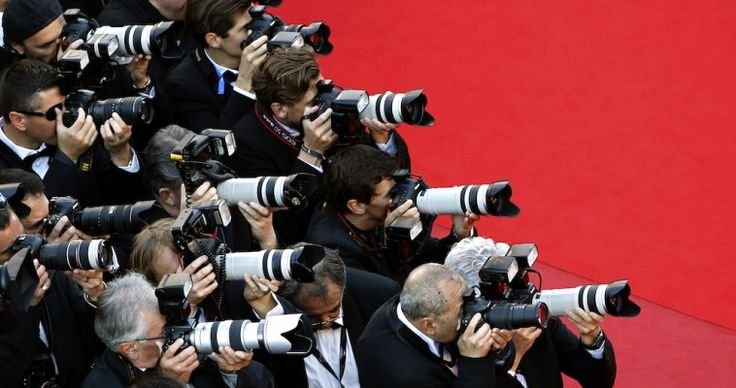
There has been a paradigm shift in public relations. What used to be all about press releases and media lists is now about building integrated communication systems that shape perception, trust, and visibility.
In a trust-first, AI-powered media environment, audiences are more cynical, media outlets are more discerning, and algorithms are playing an increasingly prominent role in what gets in front of whom. Brands are no longer measured by how many times they are seen, but by where, why, and how they are seen.
A public relations agency in 2026 is not just about pushing out announcements. It is about establishing credibility, shaping narratives, and creating earned media that supports brand reputation over time. Media coverage is still important—but it is no longer the objective.
The context in which we operate is shaped by brand credibility, media trust, visibility, and narrative building.
The role of a PR agency in today’s world is vastly different from what it was a decade ago.
In the past, the role of a PR agency was all about media outreach. Today, it is all about reputation management. Rather than focusing on the quantity of coverage, the focus is on the quality of coverage coverage that resonates with the positioning of the brand and its audience. The role of a PR agency is no longer a one-off activity that grabs people’s attention for a short while. It is now a long-term storytelling exercise that changes as the brand matures and evolves.
Media relations in the current era is relationship-based, not database-based.
A media relations firm spends time learning about journalists, their beats, opinions, and editorial agendas. The communication is context-based and relevant, not database-driven.
Doing journalist engagement right means striking a balance between being national and being local, meaning the brand is in the right conversations, not just the loudest ones.
Brand storytelling has evolved from slogans and taglines.
Public relations firms have also begun to craft brand narratives that weave together stories of founders, purpose-driven communications, and market relevance into a cohesive voice. Each media appearance, quote, and article supports the same narrative.
This activity is at the very center of a solid brand communications strategy.
Thought leadership is no longer a nicety for serious brands.
In 2026, PR firms are actively engaged in founder and CXO visibility through profiling, expert commentary, bylined articles, and opinion pieces. The aim is not fame but authority and trust.
Through the positioning of leaders as credible voices in their industry, thought leadership PR enhances both brand perception and media relationships.
The press release is still around—but it is a targeted tool.
In 2026, a press release strategy is centered on actual newsworthiness. Not all news needs a press release, and not all press releases need broad distribution. PR firms today assess when a press release is necessary, how it should be packaged, and whether direct outreach will be more effective than wire distribution. Context is key to added value.
The press release service in 2026 is all about targeting, not quantity.
The management of brand reputation has moved beyond crisis management.
Earned media acts as a trust indicator, particularly in a world where consumers verify information across different platforms. PR firms track how brands are mentioned in search, news, and conversations.
Crisis readiness, search reputation, and storytelling are now linked. Online PR helps ensure that when a brand is searched for, the story told is deliberate and authentic.
What a PR agency does today goes well beyond media coverage.
Integrated PR helps with fundraising by building investor confidence and credibility. It helps shape stakeholder perceptions of the brand, including partners, regulators, employees, and customers.
PR is also involved in SEO and discoverability. Earned media helps build authority, visibility, and long-term brand signals that advertising cannot achieve. This is achieved through PR consulting that aligns communications with business goals.
Whether to use an in-house PR department or a PR agency is a function of size and strategy.
In-house PR provides strong internal knowledge but may lack external reach and speed. Agencies provide leverage with established journalist relationships, wider industry insight, and quick turnaround. From a financial perspective, agencies provide flexibility and scalability, which is particularly useful for expanding brands that don’t yet require a dedicated in-house staff.
It has become common practice for organisations to take a hybrid approach, which is facilitated by PR consulting agencies.
It’s not just when, but also how.
Engagement with a PR agency usually happens at critical junctures in a brand’s life, such as funding, expansion, change in leadership, or during times of increased reputation risk. Engaging too soon can lead to a lack of narrative focus. Engaging too late means dealing with perception problems instead of creating them.
Readiness to engage with a PR agency is a function of having a clear set of objectives, brand alignment, and a commitment to investing in long-term storytelling. This is particularly important for startups that may be considering a PR agency for startups.
Selecting the best PR agency is more about substance than hype.
Knowledge of the industry is essential, but relationship strength is more important than media lists. A good agency shows how it thinks, not just where it reaches. Transparency in reporting what has and hasn’t worked, and why, is a sign of maturity and integrity.
The best agency will put itself forward as a strategic partner, which can be seen in its communication, values, and approach to clients, usually outlined in the about section of agencies such as Trivium PR.
PR in 2026 is founded on trust, storytelling, and consistency. Media coverage is a result, not a goal. It is the impact that matters, not the process.
The ideal PR agency is not a vendor completing tasks. It is a strategic partner who assists brands in determining how they want to be perceived, remembered, and trusted in a complex media landscape.