ChatGPT is the new search. If your brand isn’t in the answer, you’re invisible. Here’s how PR fixes that.



ChatGPT is the new search. If your brand isn’t in the answer, you’re invisible. Here’s how PR fixes that.
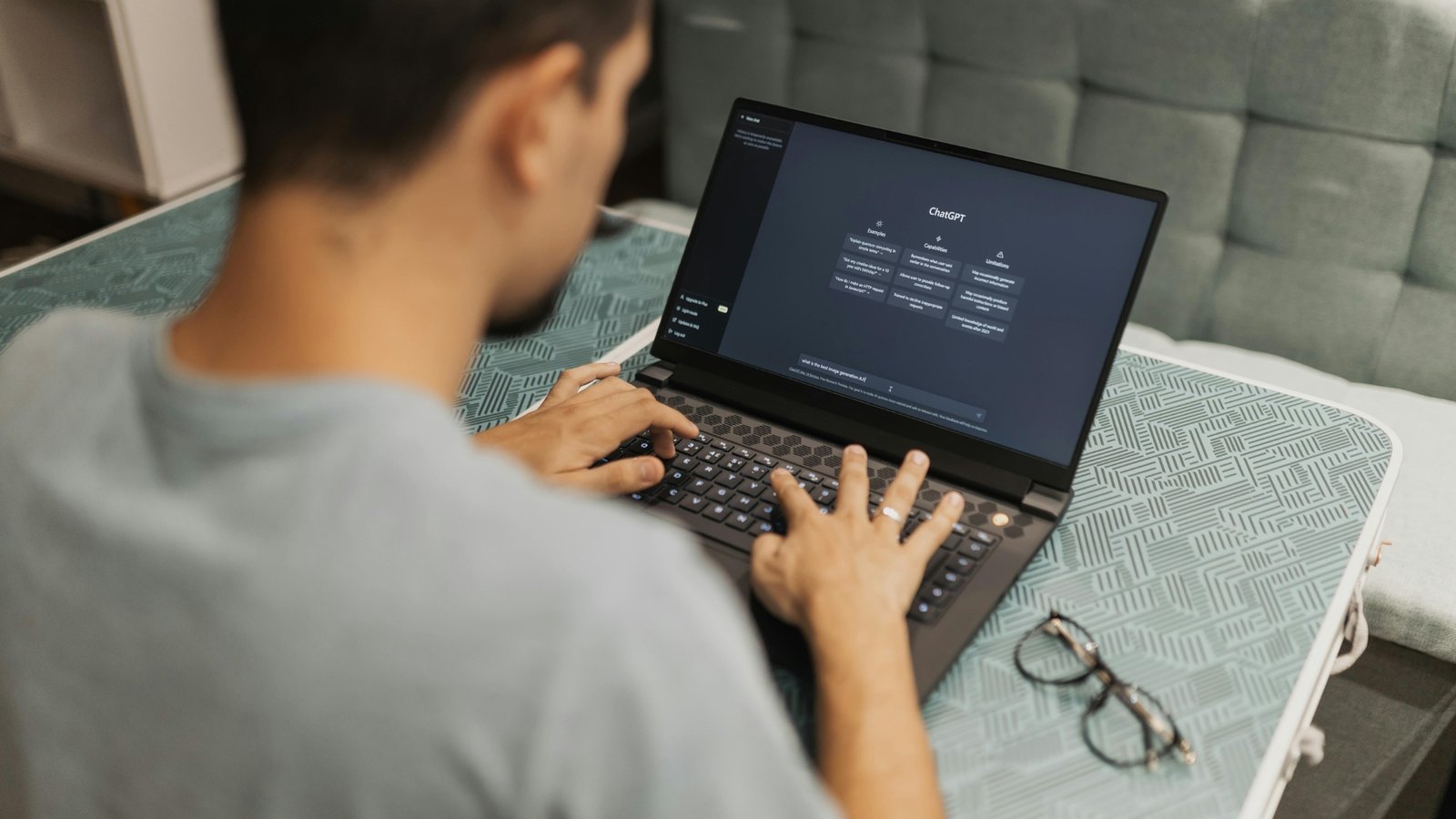
If someone asks ChatGPT “Which are the top luxury hotels in India?” or “Best fashion brands from Mumbai to watch in 2026?” – does your brand appear in the answer?
If not, you have a visibility problem that Google rankings alone cannot fix.
Search has fundamentally changed. Millions of people no longer scroll through blue links, they ask AI tools a question and get a direct answer. ChatGPT now has over 900 million weekly active users. Google AI Overviews appear in roughly one out of every four search results. Perplexity, Gemini, and Claude are reshaping how buyers discover brands, research products, and make purchase decisions.
The brands that appear inside those AI-generated answers are earning trust before a competitor even gets a chance. The brands that don’t are invisible – even if they rank on page one of Google.
This is the new frontier for PR. And it has a name: Generative Engine Optimization (GEO).
Generative Engine Optimization (GEO) is the practice of structuring your brand’s presence so that AI engines like ChatGPT, Gemini, Perplexity, and Claude cite and recommend you in their answers.
Traditional SEO puts your website on a ranked list. GEO puts your brand inside the answer itself.
Here is how different the two are: a few years ago, 70% of sources that AI cited overlapped with Google’s top-ranked pages. Today, that overlap has collapsed to below 20%. Being on page one of Google no longer guarantees that ChatGPT or Perplexity will reference you. These AI systems have developed their own preferences and they are not loyal to whoever paid for the best SEO in 2019.
For Indian brands – in real estate, fashion, hospitality, BFSI, architecture, and luxury – this is a significant opportunity. Most have not started thinking about GEO yet. The brands that act now will own this space before competitors catch up.
There is also a commercial reason to move quickly. Visitors who arrive from ChatGPT convert at 15.9%, compared to a 1.76% conversion rate from traditional organic search. AI-referred traffic is not casual browsing, it is high-intent buyers who already trust the recommendation.
When someone asks ChatGPT a question, it does not pull up a ranked list of links. It breaks the question into smaller sub-queries, retrieves content from across the web, evaluates sources, and synthesises a single answer – citing only the sources it trusts.
The critical insight: AI systems show a systematic bias toward earned media over brand-owned content. Your website alone will not get you cited. What gets you cited is what others say about you – media coverage, third-party mentions, expert commentary, authoritative publications, and community platforms like LinkedIn and Reddit.
This is precisely where PR becomes the engine of AI visibility.
A well-placed editorial feature in a respected trade publication is not just a vanity metric anymore. It is a citation signal that tells AI systems: this brand is credible, this brand is talked about, this brand deserves to be part of the answer.
AI models cite specific types of sources — and Indian brands need to be in them. Tier-1 business publications (Economic Times, Business Standard, Mint), industry verticals (Vogue India, Architectural Digest India, Hospitality Biz), and global platforms with Indian editorial (Forbes India, Inc42) are sources that AI systems recognise as credible.
Getting a profile piece, an expert quote, or a brand feature in these publications creates the kind of third-party authority that AI tools use to evaluate whether your brand deserves to be cited.
Trivium’s approach: We proactively pitch editorial narratives – not press releases – to publications that carry real authority in your category, because that is what AI systems are trained to trust.
AI models associate brands with specific categories, use cases, and audiences. If your brand’s description is inconsistent across platforms – your website says one thing, your LinkedIn says another, your press coverage says something else – AI systems will either ignore you or misrepresent you.
Entity clarity is critical. Your brand name, category, positioning, and the language used to describe you must be consistent across your website, social profiles, media coverage, review platforms, and directory listings.
For Indian brands with multiple business verticals – a real estate group that also runs hospitality, for instance – each vertical needs its own clear entity with dedicated PR coverage and a consistent narrative.
Listicles account for over 21% of all AI citations across ChatGPT, Perplexity, and Google AI Mode. When an AI is asked “best PR agencies in Pune” or “top luxury hotel brands in India,” it frequently pulls its answer from “best of” lists and industry roundups.
Getting your brand featured in these roundups on credible platforms – is a direct investment in AI visibility. Identify the listicles that currently appear when AI answers questions in your category, and make it a PR priority to earn a place in those specific articles.
This is earned media strategy applied to the GEO era.
AI systems prefer content that is structured, direct, and extractable. They look for content that answers a specific question clearly and concisely – not long introductions, not vague thought leadership, not ten paragraphs before the insight.
For your website and owned media, this means:
Think of every piece of content as something an AI might extract a single clear paragraph from. Write that paragraph first.
Reddit and LinkedIn are currently among the most cited domains across ChatGPT, Perplexity, and Google AI Mode. This has direct implications for Indian brand strategy.
On LinkedIn: Founders, CMOs, and brand leaders should be publishing substantive long-form posts — not promotional content, but genuine industry insights. LinkedIn’s domain authority in AI search nearly doubled between late 2025 and early 2026. A well-attributed expert post on LinkedIn is increasingly being surfaced alongside traditional editorial sources.
On YouTube: Video transcripts are now indexed by AI systems. A brand founder talking clearly about their category, their craft, or their philosophy is creating AI-readable content in a format competitors rarely invest in.
On Google Business / Review Platforms: G2, Trustpilot, Google Reviews, and industry-specific directories function as citation sources for AI during commercial-intent queries. An incomplete or sparse presence here is a gap in your AI citation coverage.
One of the strongest signals for AI citation frequency is the number of independent, credible platforms where your brand is mentioned. A brand that appears in five authoritative media placements, two industry directories, three LinkedIn publisher posts, and has active reviews on major platforms is far more likely to be cited by AI than a brand with one great website and strong Google rankings.
The PR implication is clear: a broad media strategy – not a narrow one – is what builds AI visibility. Quantity of credible mentions across diverse platforms matters as much as the quality of any single placement.
At Trivium, we have always believed that sustainable brand reputation is built through earned authority not short-term advertising. GEO has validated that instinct at a structural level.
Our approach for clients integrating AI visibility into their PR strategy:
Brand Entity Audit: We map how your brand currently appears (or does not appear) when AI tools are asked questions in your category. We identify gaps, inconsistencies, and competitor citation advantages.
Earned Media for AI: We prioritise media placements in publications, platforms, and content formats that AI systems demonstrably trust and cite not just publications with large readerships.
Narrative Consistency: We align your brand’s positioning language across all touchpoints so AI systems can build a clear, consistent association between your brand and your category.
Founder and Leadership Visibility: We build thought leadership programs on LinkedIn and through expert commentary placements – because personal authority from named individuals is increasingly being cited by AI alongside brand authority.
Ongoing Monitoring: We track how your brand appears in AI answers for category-relevant prompts and adjust strategy as models update and citation patterns shift.
Ninety-two percent of marketers plan to optimise for AI search – but only 40% are currently doing so. In India, that gap is even wider. Most brands are still thinking about GEO as a future concern.
It is not. The brands that establish AI citation presence in 2026 will have a structural advantage that compounds over time – because AI systems learn to trust sources that are consistently referenced, and early movers become the default answer.
If your brand is not appearing when AI tools answer questions in your category, you are handing those conversations to a competitor who showed up earlier.
The strategy to change that is not technical. It is PR.
Trivium Public Relations works with brands across luxury, real estate, hospitality, fashion, architecture, and BFSI to build the kind of earned authority that drives both media visibility and AI citation presence.
Contact us: enquire@triviumpr.com | +91 91686 45164 www.triviumpr.com
Trivium Public Relations | Mumbai · Pune · Delhi · Dubai · London · Abu Dhabi · Qatar