Learn how architecture firms can build thought leadership using POV-led content, media visibility, and brand storytelling beyond project highlights.



Learn how architecture firms can build thought leadership using POV-led content, media visibility, and brand storytelling beyond project highlights.
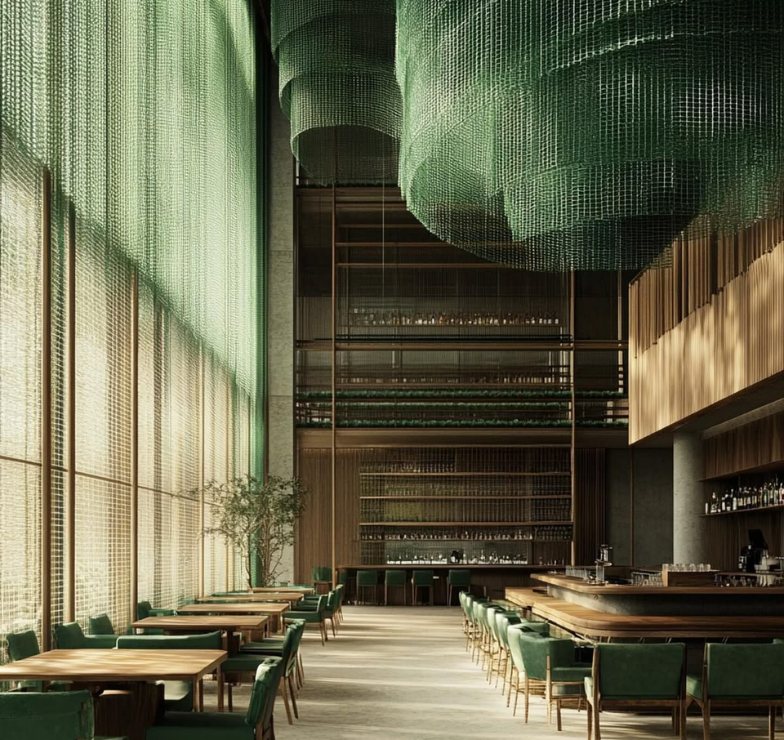
Project features create visibility but visibility is not the same as authority. A company can be featured again and again in design magazines and yet find it difficult to be counted as a credible voice in the architectural discourse. Thought leadership reverses this dynamic. It puts architects not as suppliers of buildings but as participants in the shaping of ideas about cities, culture, and the future of design. In 2026, reputation is no longer established after projects are finished, but in the intervals between projects. Companies that express perspective consistently are always relevant, even when they are not launching new projects and this is what distinguishes recognition from influence.
Thought leadership is not simply self-promotion. It is opinion, point of view, and interpretation communicated clearly and responsibly.
For architecture firms, this means taking a point of view on cities, sustainability, materials, ethics of design, or the role of the built environment in society. It is not about providing answers, but about posing interesting questions and taking informed positions.
When architects take a point of view, they transition from being service providers to being contributors to culture. Their work is placed in the context of broader stories about how people live, work, and occupy space. This, in turn, alters how clients, editors, and other architects view the firm—not just what they do, but who they are.
Learn more about Architecture PR
Thought leadership needs platforms that emphasize ideas over images.
Design magazines provide an opportunity for essays, opinion pieces, and critiques. Such platforms enable architects to think about theory, practice, and current design issues outside the context of a specific project. Business and urban policy media offer access to the audience that influences investment, infrastructure, and policy. In such platforms, architecture is considered in terms of its impact on cities, economies, and long-term planning.
Speaking engagements and panels extend authority through presence. Such platforms indicate trust and authority, especially when architects speak to ideas rather than PowerPoint presentations. Digital long-form content, such as blogs, essays, and newsletters enable architecture firms to create and own intellectual property. Unlike social media, such platforms value continuity and are ideal for establishing positioning.
Architects are one of the few groups who intersect design, policy, the environment, and human behavior. This positions them as authoritative voices on a number of key issues.
Urban density and living are still at the forefront as cities respond to the challenges of population growth, mobility, and infrastructure. Architects can break down complexity into actionable knowledge. Sustainability as more than a trend is another area where architecture voices are essential. Beyond superficial certifications, architects can discuss materials, life cycle analysis, and trade-offs, adding depth to public conversation.
Regional design language is a chance to resist homogenization. Architects can describe how climate, culture, and craftsmanship shape design—without falling into nostalgia. The future of working and residential spaces is still in flux. Hybrid work, affordability, and shifting family dynamics require spatial thinking, which architects can provide with both creativity and practicality.
The role of PR in thought leadership is distinct from its role in project promotion. The emphasis changes from promoting results to promoting ideas.
Good PR recognizes opportunities where architectural ideas meet public discourse—such as changes in policy, instances of climate change, and discussions about cities—and structures commentary around these. The timing is as important as the content. Presenting opinions demands clarity and conviction. Editors are open to well-supported opinions that offer value, not just generic musings. Regular contributions help establish credibility, and editors become more receptive and proactive.
PR helps maintain momentum. Thought leadership builds upon itself when ideas are developed, updated, and disseminated across multiple channels, rather than being presented as isolated interventions.
The first error is to take generic perspectives. To simply state the obvious and not add depth is not to lead. Leading is a function of specificity, not agreement.
Too much academic speak is a problem. Architecture is a highly intellectual field, but thought leadership must be more conversational. To speak in a way that excludes non-experts is to limit the reach and relevance of the firm. Too often, firms speak to audiences rather than with them. Thought leadership is a conversation. It is meant to be engaged with, disagreed with, and responded to.
Finally, inconsistency is a problem. To comment periodically without a clear point of view is to come across as opportunistic rather than deliberate.
Thought leadership works, and the perception changes. Clients come to the firm with more confidence, as partners in strategy rather than merely designers.
Juries and award judges recognize intellectual consistency. Firms with ideas are easier to place within a framework of evaluation. Thought leadership leads to a brand equity that is more resilient over time. Even when the firm is not actively engaged in projects, it is still part of the conversation. This keeps better opportunities coming.
The movement from visibility to authority is subtle but powerful.
Authority is created through ideas, not exposure. Project features create moments of attention; thought leadership creates continuity of relevance. Architecture firms that express perspective attract not only more projects but better projects, too projects that are consistent with their values and vision.
Thought leadership is not a campaign; it is a discipline. When architects invest in expressing how they think about the world, that thinking compounds long after buildings are out of the spotlight.