The “spray and pray” method is dead. Explore how media relations is shifting towards two-way conversations and community building in 2026.



The “spray and pray” method is dead. Explore how media relations is shifting towards two-way conversations and community building in 2026.
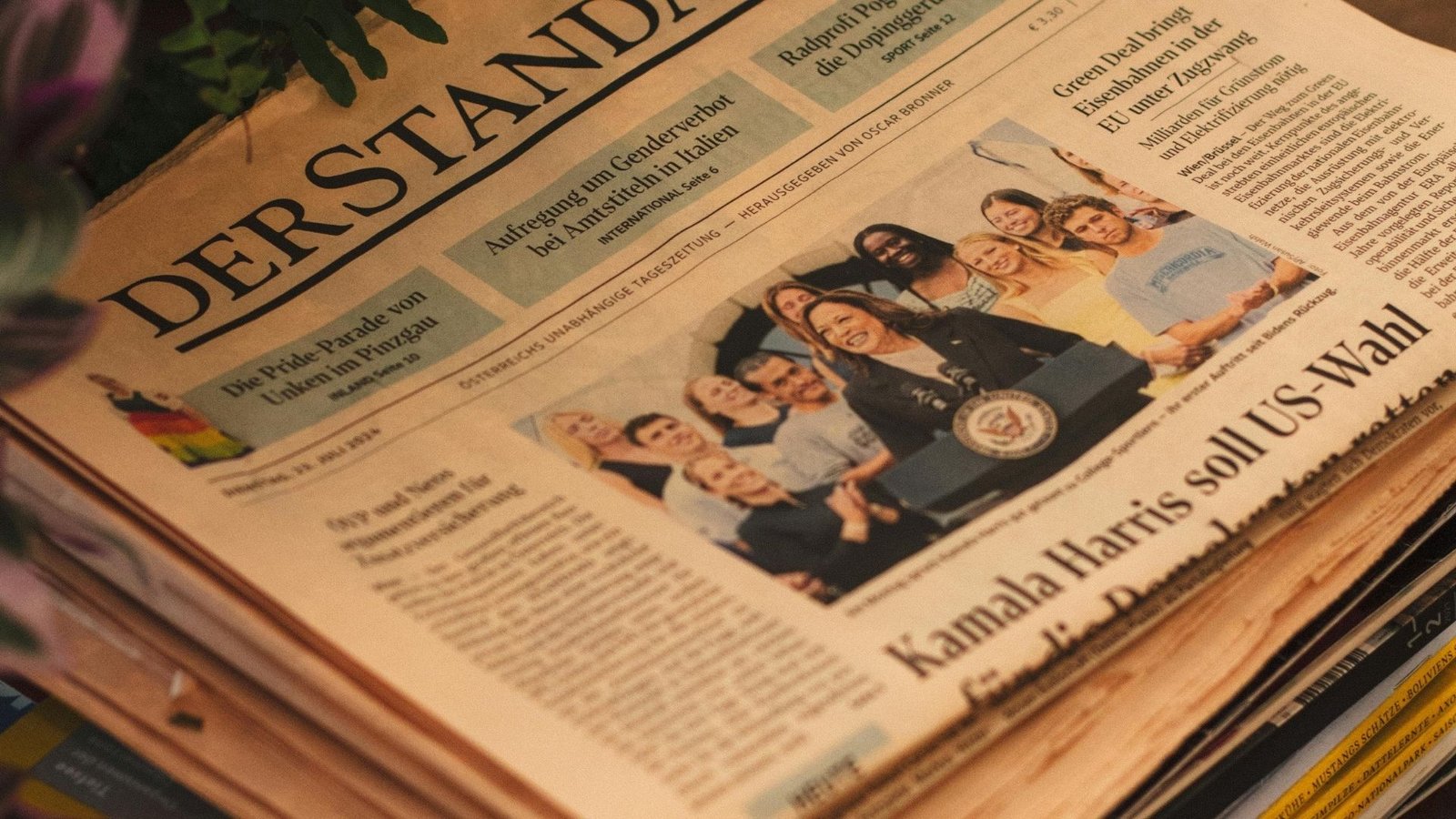
Let’s be honest: the era of “spray and pray” PR didn’t just fade away—it collapsed under the weight of its own irrelevance. What once passed as strategy is now little more than noise in an ecosystem that no longer tolerates it. Editors today aren’t just busy; they are inundated with hundreds of pitches daily, most of which fail to acknowledge their beat, audience, or editorial lens. At the same time, audiences are no longer passive recipients of information. They are fragmented, selective, and deeply attuned to what feels authentic versus what feels manufactured.
In this environment, the old playbook—where success was defined by how many emails you could send before lunch—doesn’t merely underperform; it actively erodes credibility. Media relations in 2026 has evolved into something far more nuanced. It is no longer about volume; it is about resonance. It is about understanding that influence is earned through relevance, and that visibility without trust is ultimately hollow. What defines success now is the ability to engage in meaningful, context-aware conversations that deliver both value and perspective.
For years, PR operated on a scale-driven mindset. The dominant belief was simple: the more you push out, the higher your chances of getting picked up. Every internal update—regardless of its actual significance—was treated as “newsworthy.” Press releases became the default tool, often deployed without critical evaluation of whether the story warranted external attention.
Outreach was largely impersonal. Mass email blasts sent to hundreds of journalists at once became standard practice, with little regard for individual relevance. Relationships were transactional, often limited to moments when coverage was needed, and quickly abandoned afterward. Success, in this model, was measured through clippings—quantified mentions that rarely accounted for context, audience quality, or narrative alignment.
The breakdown of this model is not accidental—it is the result of structural shifts in how media and audiences operate.
Journalists today face significant editorial pressure, managing tighter deadlines with fewer resources while being expected to produce content that performs in real time. In such an environment, generic pitches are not just ineffective; they are immediately dismissed. At the same time, digital algorithms have become gatekeepers of visibility, prioritizing engagement over presence. Content that fails to evoke interest or interaction simply disappears.
Equally important is the evolution of the audience. Modern consumers are highly perceptive and increasingly skeptical. They can identify overly polished, corporate-driven narratives with ease and tend to disengage from anything that lacks authenticity. Combined with the sheer volume of content competing for attention, this creates a reality where only ideas that offer immediate and tangible value stand a chance of being noticed.
The defining shift in modern media relations is the move from broadcasting messages to building conversations. This transformation is grounded in three core principles: prioritizing quality, investing in relationships, and anchoring every story in context.
Selective outreach has replaced mass distribution. Instead of reaching out to hundreds of contacts, effective PR now focuses on identifying the few journalists or platforms where the story genuinely belongs. One meaningful placement in a relevant publication carries far more weight than dozens of superficial mentions.
At the same time, the role of relationships has fundamentally changed. Media professionals are no longer seen as distribution channels but as collaborators in storytelling. Building trust requires consistency, respect for editorial boundaries, and a willingness to contribute value even when there is no immediate gain. Over time, this transforms the dynamic from transactional to relational.
Context has also emerged as a decisive factor. A story is no longer judged solely by what it is, but by why it matters now. Aligning narratives with broader cultural, technological, or economic conversations significantly increases their relevance and impact. Timing, in this sense, is not just tactical—it is strategic.
High-performing PR teams have begun to operate less like promoters and more like editorial teams. This shift requires a fundamental change in how stories are evaluated before they are pitched.
The first question is whether the information qualifies as a story or merely an internal update. If it serves only the company, it lacks external relevance. A true story, on the other hand, offers insight, perspective, or learning that extends beyond the organization itself.
Equally important is the presence of a human protagonist. Audiences—and by extension, journalists—connect with people, not corporate entities. Framing narratives through founders, employees, or customers introduces relatability and depth that logos cannot achieve.
Finally, every compelling story carries an element of tension. Whether it is an industry inefficiency, a cultural shift, or a problem being solved, this tension creates narrative momentum. Without it, even the most significant announcements risk feeling static and unengaging.
In a globally connected yet culturally diverse landscape, media relations demands a high degree of sensitivity and awareness. What resonates in one market may be irrelevant—or even inappropriate—in another. Understanding regional nuance is no longer optional; it is essential.
Equally critical is the ability to read the broader environment. Timing a campaign during a moment of global or local sensitivity can undermine even the most well-crafted narrative. In some cases, restraint becomes the most strategic choice.
Additionally, every media platform has a distinct editorial voice. Aligning with that tone—rather than imposing a generic corporate style—can significantly influence how a pitch is received. Authenticity, in this context, is as much about adaptation as it is about honesty.
The definition of “media” has expanded significantly. Traditional publications remain influential, but they now coexist with a diverse ecosystem of independent creators, niche platforms, and personal brands.
Writers on platforms like Substack and specialized podcasters often command highly engaged audiences with strong trust dynamics. In many cases, their influence within specific communities exceeds that of mainstream outlets.
Simultaneously, platforms like LinkedIn have evolved into informal news distribution channels, where journalists actively engage with ideas and sources. Building visibility here often requires participation in ongoing conversations rather than one-off outreach.
Another notable shift is the growing importance of the founder’s voice. Leaders who articulate clear, unfiltered perspectives tend to attract media attention organically. Their credibility stems not from corporate messaging, but from the clarity and authenticity of their insights.
Crisis communication has undergone one of the most significant transformations. The speed at which information spreads today leaves little room for delayed responses. Waiting for a perfectly crafted statement can result in losing control of the narrative entirely.
What defines effective crisis management in 2026 is transparency. Acknowledging issues early, communicating with clarity, and demonstrating accountability are far more effective than attempting to manage perception through silence or ambiguity.
Equally important is tone. Audiences expect to hear from real people, not institutional voices. Overly legalistic language creates distance, whereas human, empathetic communication fosters trust—even in difficult situations.
Finally, responses must be tailored to the platforms where conversations are unfolding. A static press release is rarely sufficient in a dynamic, multi-platform environment.
While both media relations and influencer marketing contribute to visibility, they serve distinct strategic functions. Media coverage builds authority by positioning a brand within credible, editorially curated environments. Influencers, on the other hand, excel at amplification, driving immediate engagement and reach.
The difference also lies in longevity. Influencer content is often transient, designed for rapid consumption. Editorial coverage, however, has a longer shelf life, contributing to sustained discoverability and reputation through search and reference.
A well-rounded strategy recognizes this distinction, leveraging each channel for its strengths rather than treating them as interchangeable.
Read more on Strategic Influencer Partnerships: Moving Beyond Simple Sponsored Posts
The metrics that once defined PR success are increasingly inadequate. Vanity indicators such as estimated reach provide little insight into actual impact.
More meaningful evaluation focuses on indicators such as share of voice within a category, the quality and authority of backlinks generated, and measurable increases in brand search activity following coverage. Equally important is message pull-through—whether the intended narrative has been accurately represented in the final piece.
These metrics shift the focus from visibility alone to influence, which is ultimately what PR aims to achieve.
Know about PR vs Digital Marketing: What Growing Brands Should Choose
Media relations in 2026 is no longer a mechanical process—it is a relational discipline shaped by conversation, credibility, and context. The brands that succeed are those that understand the difference between being seen and being understood.
In an environment defined by excess, clarity becomes a competitive advantage. Those who approach media with precision, empathy, and strategic intent do more than capture attention—they build lasting relevance.
Explore Media Strategy & Relations from Trivium Public Relations