Stand out in a visual world. A strategic guide for interior designers on getting featured in lifestyle media and building a recognizable brand.



Stand out in a visual world. A strategic guide for interior designers on getting featured in lifestyle media and building a recognizable brand.
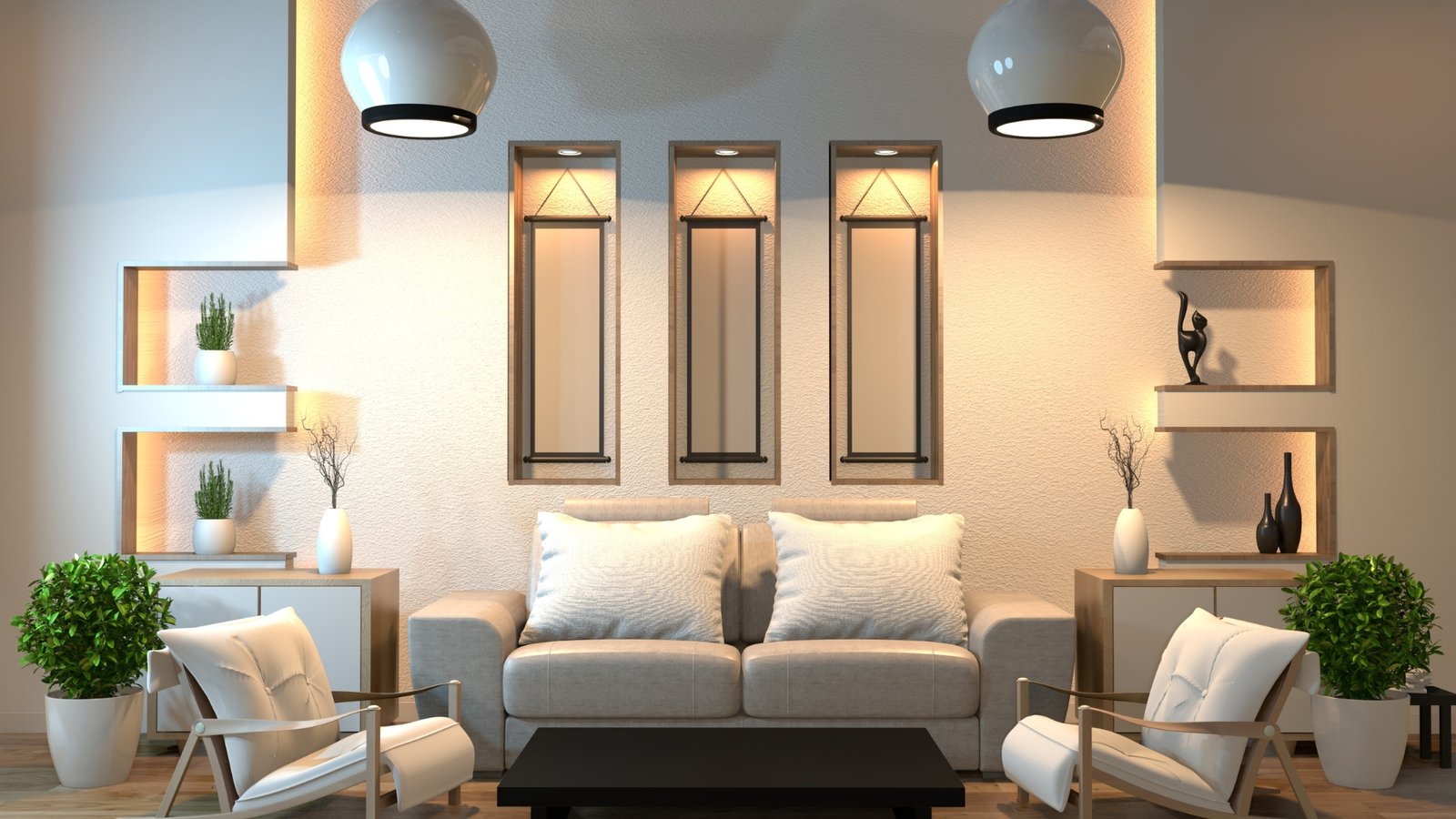
Interior design is a visual discipline—but visibility is not an automatic process. Even the best-designed interiors may not receive the attention they deserve unless they are placed in the right location. Today, lifestyle media is a highly curated, competitive, and story-driven space, not just a visually driven one.
This is where PR becomes so important. For interior designers, it is not just about showing up in the media, but also about how their work is received. This guide will examine how design firms can create meaningful visibility in lifestyle and design media with the right PR strategy.
As we know that, Social media has become the default platform for showcasing design work, but it doesn’t always translate into authority. A well-curated Instagram feed may attract attention, but editorial features build credibility.
When a project is featured in a respected publication, it signals validation. It tells potential clients that the work is not just visually appealing, but also noteworthy in a broader design context. Media coverage often influences how clients perceive value, especially in premium segments where trust and reputation matter deeply.
PR also plays a role beyond visibility. Awards, press mentions, and editorial features can elevate the perceived worth of a project and, in many cases, justify higher pricing. In that sense, PR becomes a long-term investment in brand positioning rather than just exposure.
Not all publications operate the same way, and understanding this difference is key to effective PR.
Design-focused publications, such as architecture journals, tend to prioritize technical depth, spatial innovation, and conceptual clarity. On the other hand, luxury lifestyle platforms are more narrative-driven. They focus on how a space feels, the people behind it, and the lifestyle it represents.
Home and décor magazines sit somewhere in between, balancing aesthetics with accessibility, while business and entrepreneur platforms may focus more on the founder’s journey, growth story, or brand philosophy.
Because each category looks for a different angle, the same project cannot be pitched in the same way everywhere. The story needs to be adapted depending on the publication and its audience.
Not every project gets picked up by the media—and that’s not necessarily about quality. Editors are not just looking for beautiful spaces; they are looking for stories.
A strong concept often makes the difference. Projects that reflect a clear idea, whether cultural, contextual, or experimental, tend to stand out. Relevance also matters. A space that connects to a larger trend, local craft, or evolving lifestyle is more likely to be featured.
Constraints can also become a story. Limited space, unusual site conditions, or specific client requirements often add depth to the narrative. Beyond that, the human element—who the client is, how they live, and what the space means to them—can make a project more engaging.
Of course, visual excellence is essential. But without a story, even the most aesthetically pleasing project can feel like just another portfolio entry.
A strong PR strategy begins with clarity. Before reaching out to any publication, a design firm needs to define how it wants to be perceived. Whether the focus is on luxury, sustainability, contemporary design, or cultural storytelling, this positioning should be consistent across all communication.
Once the positioning is clear, the next step is to build a narrative framework. This includes the design philosophy, the founder’s perspective, and the signature style that sets the firm apart. These elements help create a cohesive story that goes beyond individual projects.
Equally important is identifying the right publications. Some firms may benefit more from regional visibility, while others may aim for national or even international coverage. The choice should depend on where the target audience is and what kind of credibility the brand is trying to build.
Read blog on Architecture PR Guide: How to Get Featured in Top Design Publications
Reaching out to editors is less about promotion and more about relevance. A strong pitch is clear, concise, and tailored to the publication.
The subject line should immediately communicate what the story is about. The body of the pitch should present a clear angle—why this project matters and why it fits the publication’s audience. Overloading the pitch with excessive details can reduce its impact; clarity is far more effective.
High-quality visuals are essential, as they often determine whether a project gets considered at all. Equally important is the tone of communication. Respectful and well-timed follow-ups can make a difference, but overly persistent messaging can have the opposite effect.
In interior design PR, photography is not just supporting material—it is central to the story. Editorial-quality images significantly increase the chances of media coverage.
Well-composed photographs should capture both the overall space and the finer details. Wide shots help establish context, while close-ups highlight craftsmanship and textures. Lighting, composition, and styling all play a role in how the project is perceived.
It’s also important to prepare media-ready assets, including properly credited images and organized press kits. When everything is easily accessible, it makes the editor’s job simpler—and increases the likelihood of publication.
PR for interior designers should not be limited to project features. Building visibility for the founder can add another layer of credibility to the brand.
This can take the form of opinion pieces, interviews, or commentary on design trends. Participating in panels or speaking engagements also helps position the designer as a voice within the industry.
Over time, this kind of visibility shifts the narrative from “a firm that creates good spaces” to “a brand that shapes design conversations.”
A common mistake is treating PR as a one-time activity rather than a continuous effort. Sending generic press releases without a clear story often leads to no response.
Another issue is over-selling. Editors are more interested in authenticity than exaggerated claims. Poor image quality can also limit opportunities, regardless of how strong the project is.
Targeting the wrong publications is equally ineffective. A mismatch between the project and the platform reduces the chances of coverage. Finally, lack of follow-up or inconsistent communication can cause missed opportunities even when initial interest exists.
PR success cannot be measured only by the number of features. What matters more is where the project is featured and who is seeing it.
The quality and credibility of the publication play a significant role in shaping perception. Alignment with the target audience is equally important—visibility is only valuable if it reaches the right people.
Another useful indicator is the kind of inquiries that follow. Strong PR often leads to more relevant, higher-value client interest. Over time, increased brand searches and recognition also reflect the impact of consistent media presence.
Learn How Architecture Firms Can Build Thought Leadership Beyond Project Features
Interior design PR is not about chasing volume—it’s about building credibility in the right spaces. Strategic visibility in well-aligned lifestyle and design media can elevate how a brand is perceived, attract more discerning clients, and strengthen long-term positioning.
Good design deserves more than just appreciation—it deserves recognition. With the right PR approach, individual projects can go beyond being visually impressive and become part of a larger brand story that builds authority over time.
Check out Interior design PR Services from Trivium PR